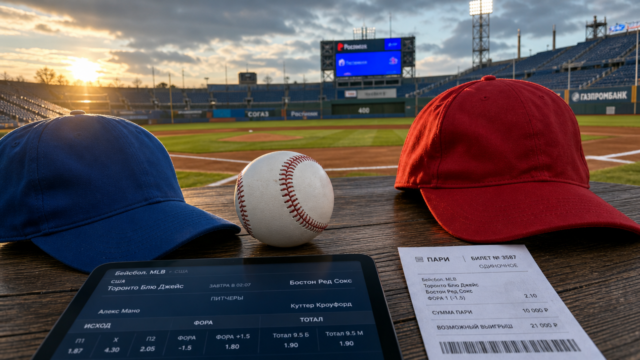
A baseball preview needs weather information that is relevant to the ballpark and the time of the game. A striking scientific chart does not become useful evidence merely because it contains the word “weather.” The first question is whether the data describes conditions that the article can meaningfully connect to the event. Unrelated indices should not be presented as a shortcut to predicting baseball results.
Match the Information to the Ballpark
Check the venue, date and expected game window before using a forecast. A general regional outlook may not describe the precise location of the park, and an afternoon value may not fit an evening game. Where a venue has a movable roof, its expected status is another piece of information to verify rather than assume. A preview should identify which details are confirmed and which remain open.
Separate a Condition From an Explanation
Temperature, wind and precipitation are environmental observations or forecasts. A claim about their effect on a particular game is a further interpretation. That interpretation needs a clear connection to the setting, and it should not erase the importance of players, decisions and execution. A forecast alone does not determine how many runs will be scored or which team will win.
Specialized measurements from another field require particular care. A number can be accurately reported and still be irrelevant to the argument around it. If a writer introduces an index without explaining what it measures or supplying evidence for its connection to baseball, the missing connection should remain visible. A confident headline cannot substitute for it.
Keep the Source and Its Limits in View
Useful weather notes identify the source, the issue time and the period being described. They also distinguish forecast conditions from conditions observed during the game. Afterward, a review can compare the two without rewriting the earlier prediction as if it had been certain. This gives weather a proportionate place in a baseball preview: a documented part of the setting, not an unexplained promise of an analytical advantage.